
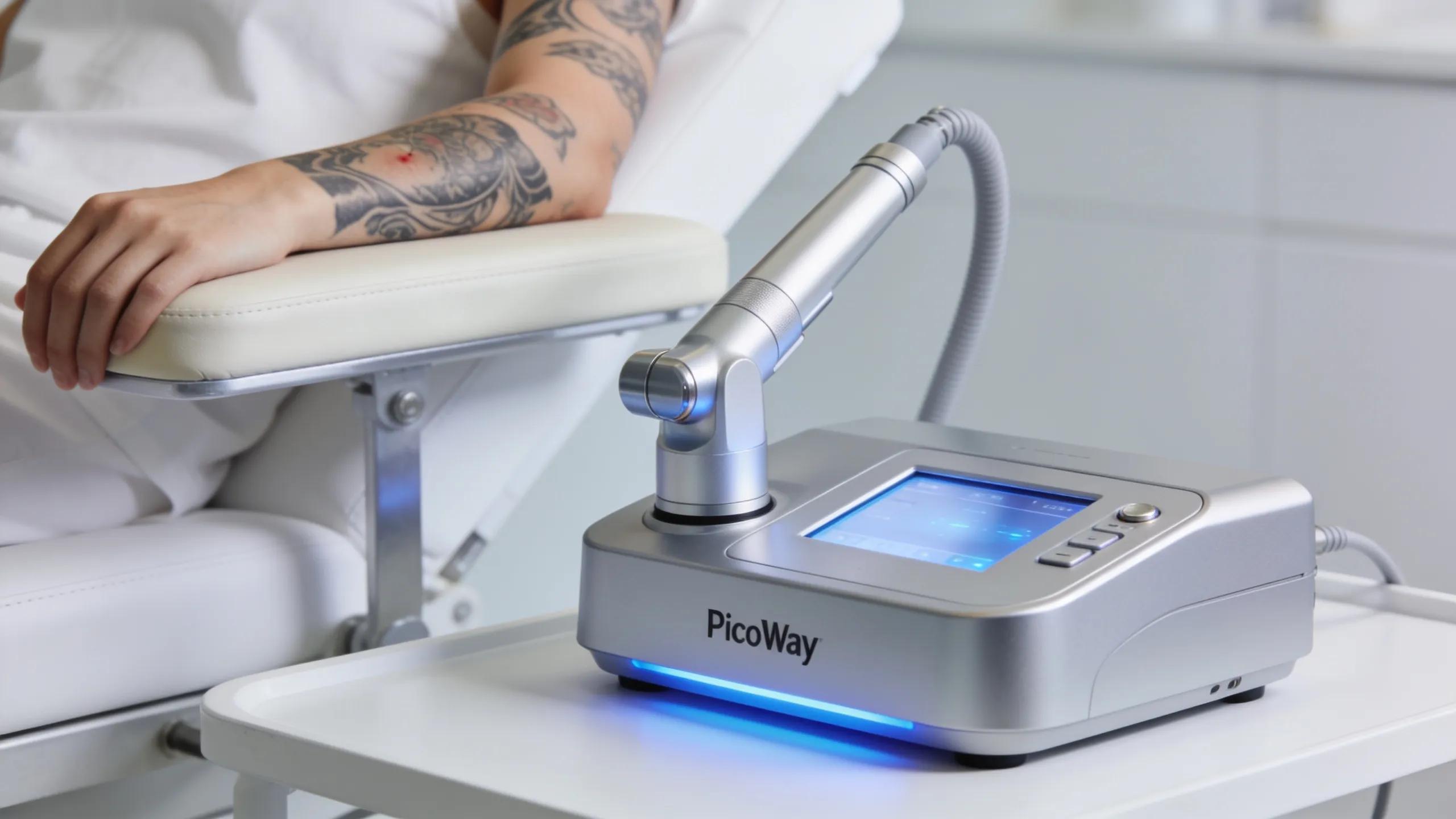
PicoWay vs. Traditional Lasers: A Comparison for Tattoo Removal
PicoWay tattoo removal and traditional laser methods both aim to eliminate unwanted ink, but they oversee this process in remarkably different ways. Understanding these differences is crucial for individuals considering tattoo removal, as effective results are often linked to the underlying technology and patient-specific factors. This guide delves into the comparative aspects of PicoWay tattoo removal and traditional lasers, including their technology, effectiveness, recovery times, and safety profiles. Individuals looking for the most suitable method can navigate their options and make informed decisions.
In the following sections, we will explore the operational mechanisms of both methods, their effectiveness in removing various ink types, procedural differences, pain levels, and recovery times. We will also highlight the importance of patient outcomes and the number of sessions required for each treatment.
Technology and Mechanism
PicoWay utilizes advanced picosecond technology, which delivers ultra-short pulses of energy to target and fragment tattoo ink particles. This technology contrasts with traditional lasers that typically employ Q-switched technology, which operates at a longer pulse duration. The shorter pulses in PicoWay allow for more effective ink breakdown while minimizing damage to surrounding tissues. As a result, patients experience a quicker healing process and potentially fewer sessions are required for complete tattoo removal.
Research further supports how the sub-nanosecond pulsewidths of picosecond lasers dramatically improve pigment destruction with less tissue damage compared to nanosecond lasers.
Picosecond vs. Nanosecond Lasers: Enhanced Pigment Destruction
The efficacy of the ns-laser depended on the theory of selective photothermolysis, whereby an extremely short pulse width was delivered less than the thermal relaxation time (TRT) of a target. At sub-ns pulsewidths,i.e.in the ps-domain, this efficacy is dramatically extended through defeating the stress relaxation time (SRT) of a target allowing for even more effective pigment destruction with even less damage to the surrounding normal tissue. Picosecond laser treatment for tattoos and benign cutaneous pigmented lesions (secondary publication), 2017
In essence, the operational dynamics of PicoWay lead to significant differences in treatment outcomes and patient comfort. These innovations are essential for anyone exploring the tattoo removal landscape, revealing how advancements in laser technology can offer superior results.
Safety
In terms of safety, PicoWay is deemed to have a lower risk of scarring, making it an appealing option for many patients. The method has received FDA approval for use on various skin types, providing assurance of its safety and efficacy. In contrast, traditional lasers may exhibit a higher risk of complications, including scarring and hyperpigmentation, particularly when used on darker skin types.
The ability of PicoWay to minimize adverse effects positions it as a leading choice among tattoo removal methods. Understanding the safety profiles of these treatments is vital for patients considering their options, as it can influence their satisfaction and overall treatment experience.
Effectiveness
Upon comparing the effectiveness of PicoWay with traditional tattoo removal lasers, several distinct advantages emerge. Notably, PicoWay often requires fewer sessions for complete removal, typically ranging from six to ten sessions compared to more than ten sessions for traditional lasers. Furthermore, PicoWay is effective across a broader spectrum of ink colors, enhancing its versatility for diverse tattoo pigments.
This advancement in pulse duration highlights the significant evolution from earlier Q-switched lasers, delivering far shorter pulses for enhanced results.
Picosecond Lasers: Revolutionizing Dermatology with Shorter Pulse Widths
Q-switched lasers have undeniably revolutionized the field of laser dermatology since four decades ago. Just as the first-generation laser emits its photonic signal in a few nanoseconds, the picosecond laser delivers pulse widths of at least ten times shorter. These devices offer a powerful tool for treating a wide range of skin conditions with a minimal downtime for visible improvement. Picosecond lasers in cosmetic dermatology: where are we now? An overview of types and indications, 2023
The efficacy of a tattoo removal method can significantly influence patient decisions, making it essential to consider both pre-treatment consultations and the historical performance of each technology.
Procedural Differences
When examining the procedural differences, PicoWay technology often entails shorter session lengths, providing quicker treatments for patients. Additionally, traditional laser treatments may introduce varied levels of discomfort, often requiring anesthetics to manage pain effectively. Furthermore, the integration of cooling technology in PicoWay treatments enhances patient comfort during procedures.
These variations underscore the importance of selecting a method that aligns with patients’ concerns about discomfort and time investment. Knowing how differently these procedures are conducted helps guide patient choices during consultations.
Recovery Times

Recovery times play a crucial role in the decision-making process for many patients. PicoWay typically results in minimal downtime, allowing individuals to resume regular activities shortly after treatment. In contrast, traditional laser treatments may require longer recovery periods, often extending from several days to weeks. Factors such as tattoo size, ink type, and individual healing capabilities can all impact recovery time, making pre-treatment discussions essential.
Patient Outcomes
Patient outcomes significantly fluctuate between the two tattoo removal methods. Overall satisfaction rates tend to be higher among those who undergo PicoWay treatments, attributing to effective results with minimal adverse effects. Many clients report high satisfaction due to less discomfort and faster removal times. Traditional methods can yield variable results, leading to mixed patient experiences.
Pain Levels
Evaluating the pain levels associated with each method reveals a distinct difference. Clients undergoing PicoWay typically report reduced discomfort compared to traditional lasers, which can necessitate pain management strategies such as topical anesthetics. The sensations experienced during these procedures can vary widely, influencing patient preferences significantly.
Number of Treatment Sessions Required
The number of treatment sessions needed for effective tattoo removal is a critical consideration. Typical sessions for PicoWay range from six to ten, whereas traditional lasers often exceed ten sessions before tattoos are fully removed. Individual tattoo characteristics can also impact these estimates, emphasizing the need for personalized treatment plans.
In summary, for anyone contemplating tattoo removal, the differences between PicoWay and traditional lasers are substantial. PicoWay emerges as a preferred choice due to its reduced number of sessions, minimal discomfort, and improved safety profile. Recent advancements in laser technology provide patients with effective solutions for tattoo removal while minimizing risks. Individuals interested in these services can consult with professionals to tailor their ideal options based on specific tattoo attributes and personal preferences.
What Are the Key Differences Between PicoWay and Traditional Tattoo Removal Lasers?
PicoWay and traditional lasers differ significantly in mechanisms, effectiveness, and overall patient satisfaction. PicoWay showcases superior ink fragmentation techniques, leading to quicker and more effective removal sessions. In contrast, traditional lasers operate on longer wavelengths, potentially resulting in more prolonged treatment durations and recovery times.
How Does PicoWay Laser Technology Work in Tattoo Removal?
PicoWay laser technology operates by emitting extremely rapid pulses of light that target and break down ink particles into smaller fragments. This approach minimizes heat damage to surrounding skin and facilitates faster healing, allowing for effective removal across a wide array of ink colors.
What Are Traditional Laser Methods and Their Treatment Principles?
Traditional laser tattoo removal methods, particularly Q-switched lasers, work by emitting longer light pulses that target larger ink particles. The prolonged exposure can make these methods less efficient, often requiring more sessions for complete removal and introducing higher potential for discomfort and skin damage.
How Do Effectiveness, Pain Levels, and Treatment Sessions Compare?
In terms of effectiveness, PicoWay requires fewer sessions with higher satisfaction rates, while traditional lasers often lead to longer treatment timelines and varying patient experiences of pain and discomfort. The comparative analysis is crucial for guiding patient expectations and treatment planning.
Which Laser Removes Tattoos Faster and With Fewer Sessions?
PicoWay technology allows tattoos to be removed faster due to its superior ability to break down ink particles quickly. This efficiency typically translates into fewer sessions required for complete removal, making it a compelling option for those looking to eliminate tattoos.
Is PicoWay Less Painful Than Traditional Laser Treatments?
Yes, PicoWay is generally considered less painful than traditional laser treatments. Patients often report lower discomfort levels during and after PicoWay sessions, making it a more attractive option for those concerned about pain management during tattoo removal processes.
What Are the Safety Profiles and Side Effects of PicoWay vs. Traditional Lasers?
PicoWay’s safety profile is marked by a lower risk of scarring and has been approved for use across various skin types. Traditional lasers, while effective, may carry higher risks of adverse effects, particularly for individuals with darker skin tones, underscoring the importance of tailored consultations.
What Side Effects Can Patients Expect From Each Laser Type?
Patients undergoing treatment can generally anticipate specific side effects, including temporary redness or swelling. PicoWay tends to have fewer complications reported than traditional methods, where issues like hyperpigmentation or prolonged recovery times may surface more frequently.
How Do Recovery Times Differ Between PicoWay and Traditional Laser Treatments?
Recovery times significantly differ, with PicoWay offering a quicker return to normal activities. In contrast, traditional laser treatments can impose more extended recovery periods, highlighting the importance of considering personal schedules and healing factors when selecting a treatment method.
How Does Cost Compare Between PicoWay Tattoo Removal and Traditional Laser Methods?
Cost comparisons between the two methods typically reflect the required number of sessions and the technological advantages offered by PicoWay. Patients should weigh the overall value proposition while considering effectiveness, treatment duration, and potential long-term satisfaction.
What Are Typical Prices and Value Propositions for Each Laser Treatment?
Typical treatment prices may vary depending on the technology and the level of expertise at the facility. While traditional methods may appear more cost-effective upfront, the value proposition shifts when considering overall satisfaction and the potential for fewer required sessions with PicoWay.
Are There Financing or Consultation Options Available at Luminesse Clinic?
Luminesse Laser and Skin Clinic offers free consultations to explore financing options tailored to individual needs. This approach helps ensure patients receive the best value available while considering their personal tattoo removal journeys.
